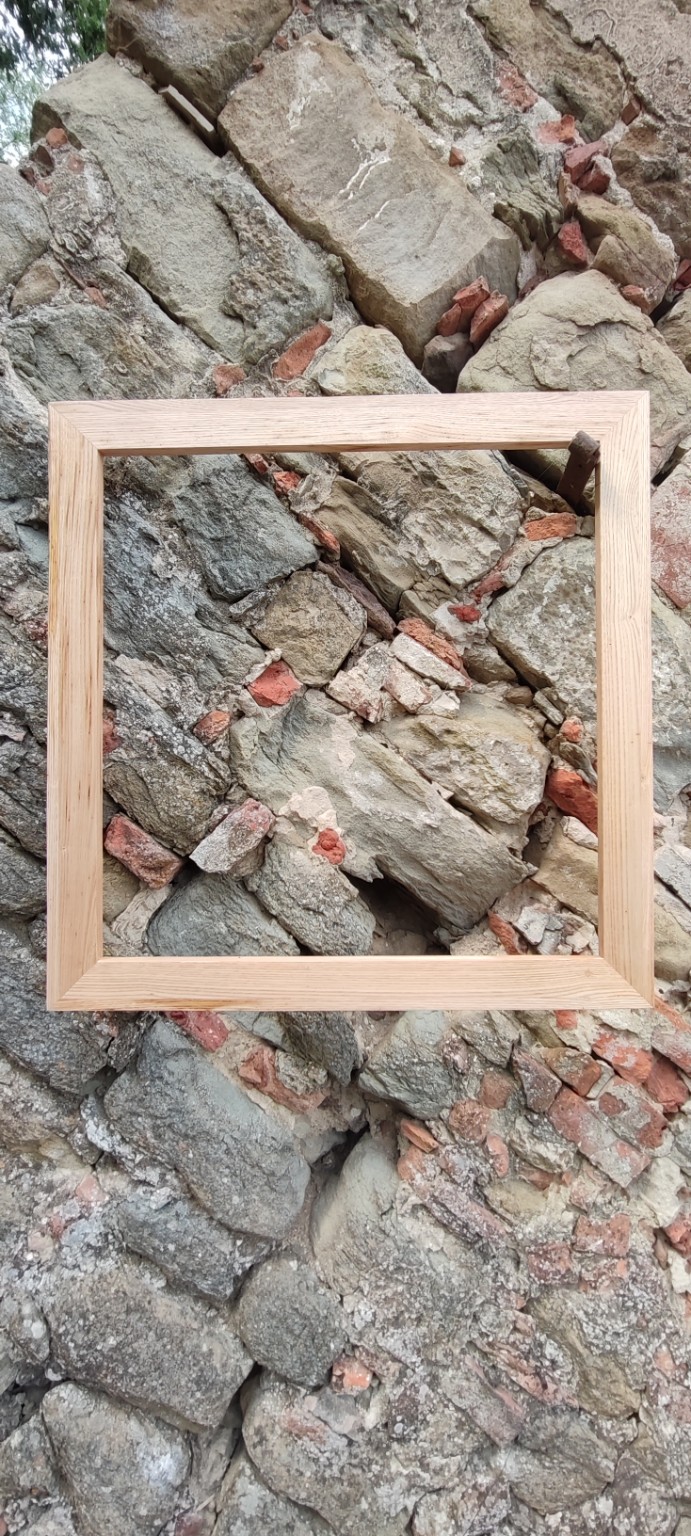
Some begin with the place itself. Others arrive through people, questions or practical needs. They may become a performance, a workshop, a piece of furniture, a garden, a score or simply a way of doing something differently.
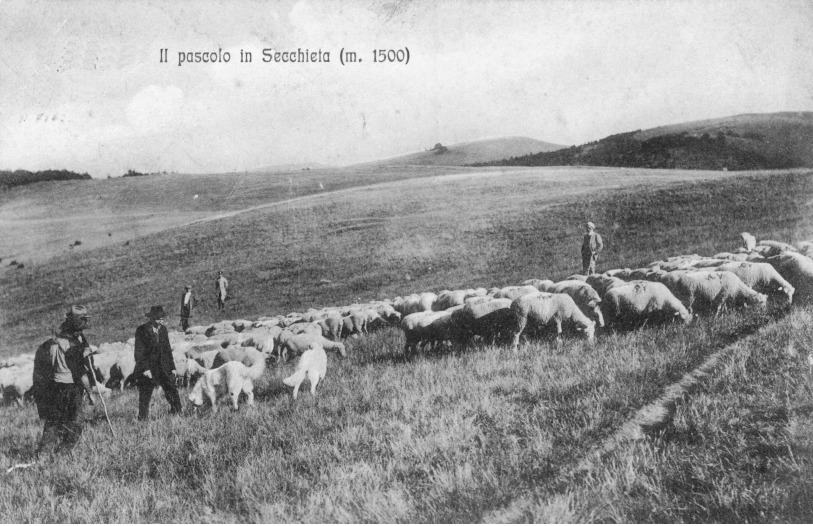
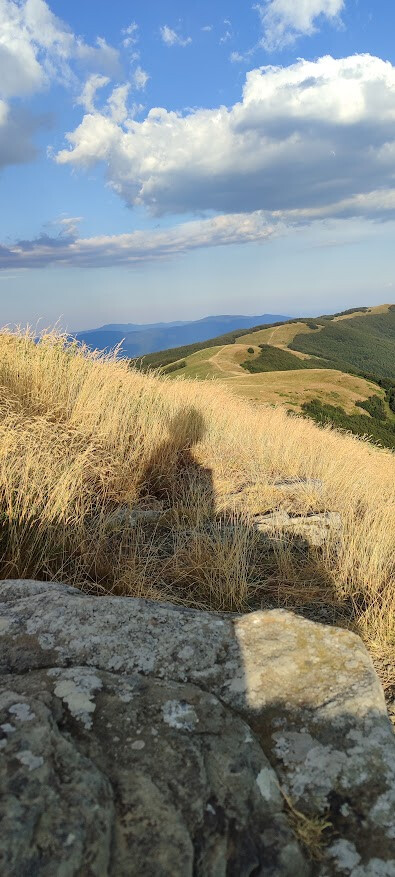
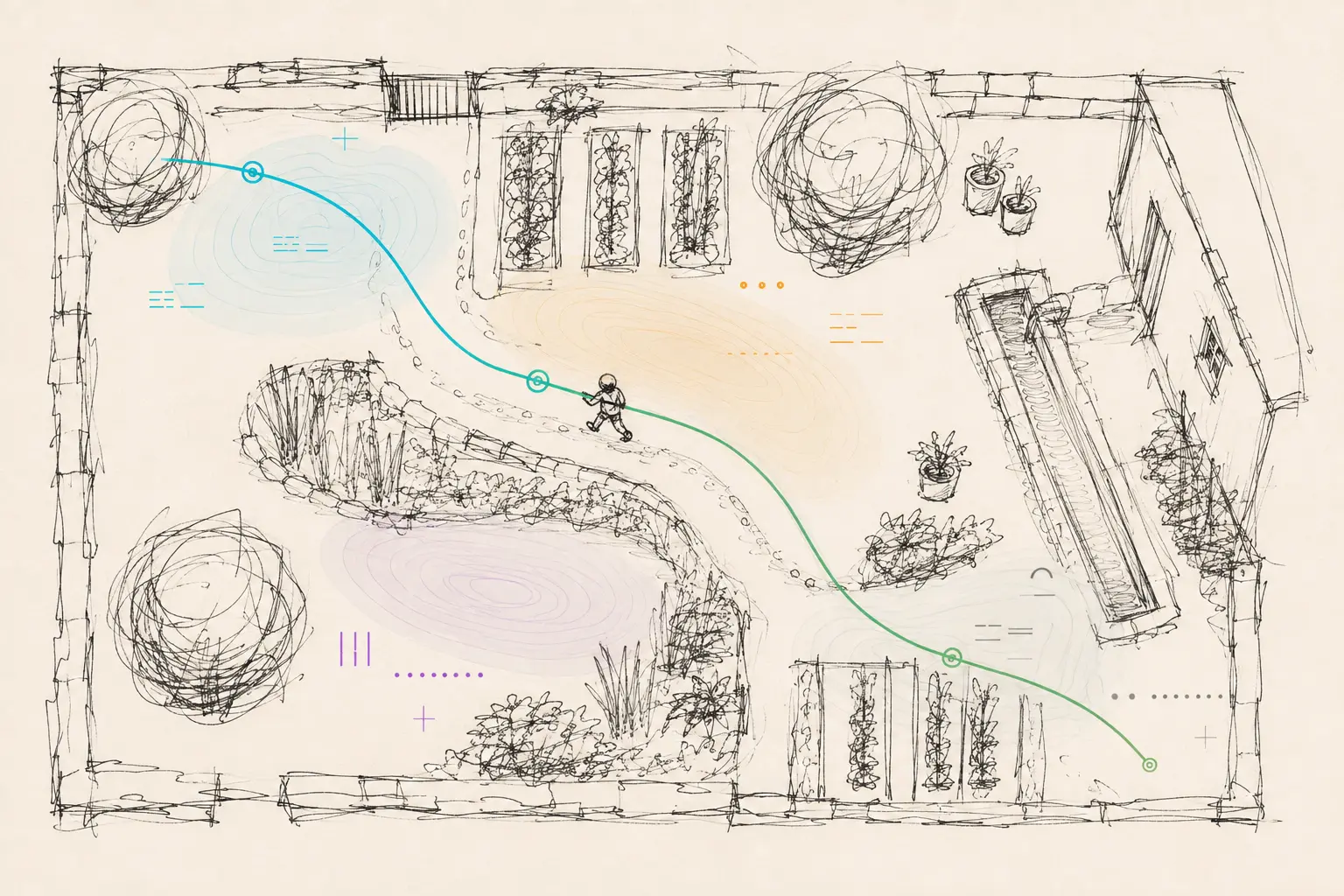
Transumanze is an artistic research project developing from the territory around the Borgo: the Valdambra, the Valdarno and the paths leading towards Pratomagno.
Walking and listening are part of the working method. Paths, water, settlements, stories and encounters with people who know the territory provide material for musical and spatial research.
The project is being developed through small gatherings, workshops, soundwalks, conversations and periods of residency at the Borgo. The first phase is concerned with mapping routes and relationships: understanding what is already here before deciding what to make.
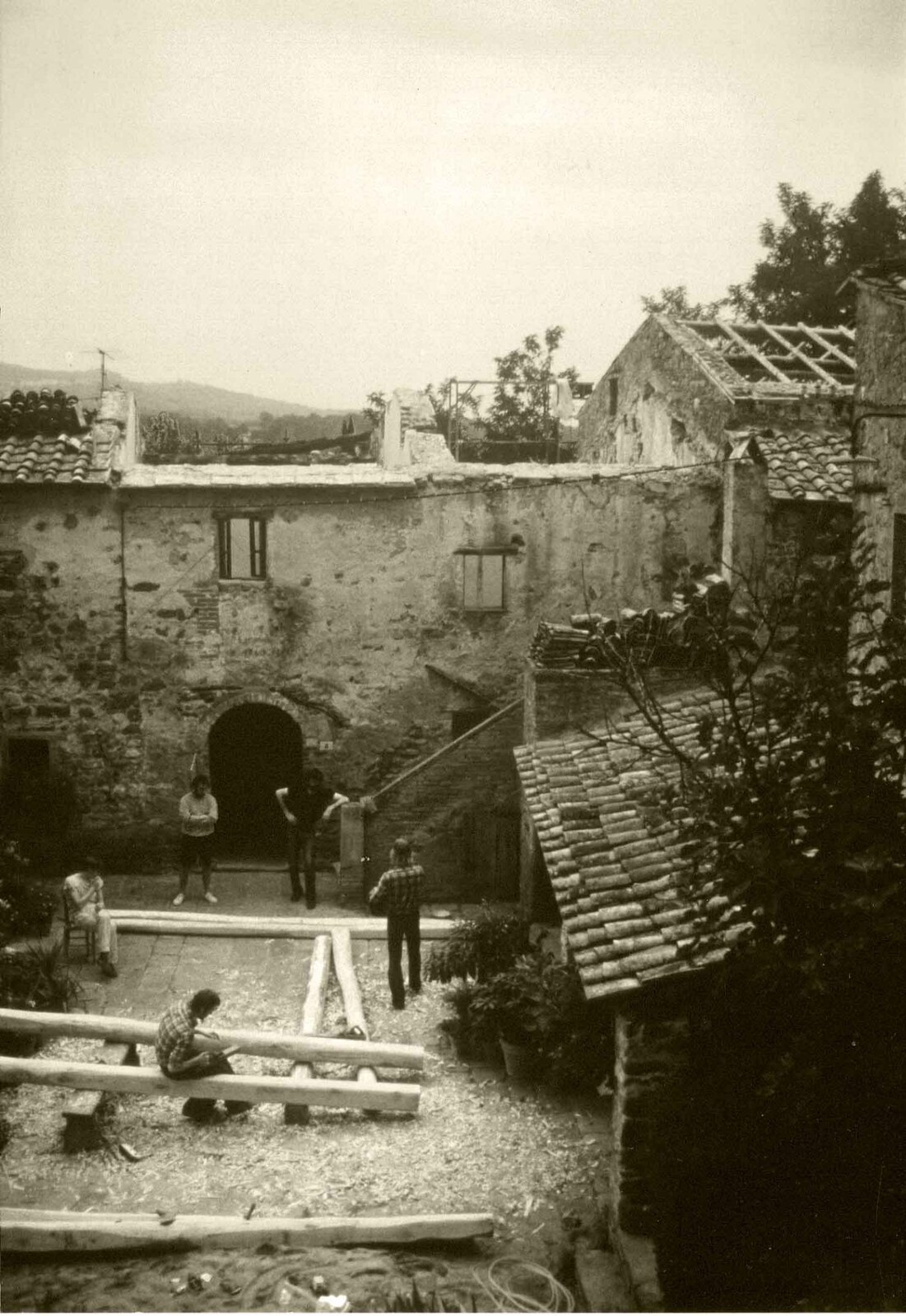
Rudolf Roslmair and the recovery of old Capannole.
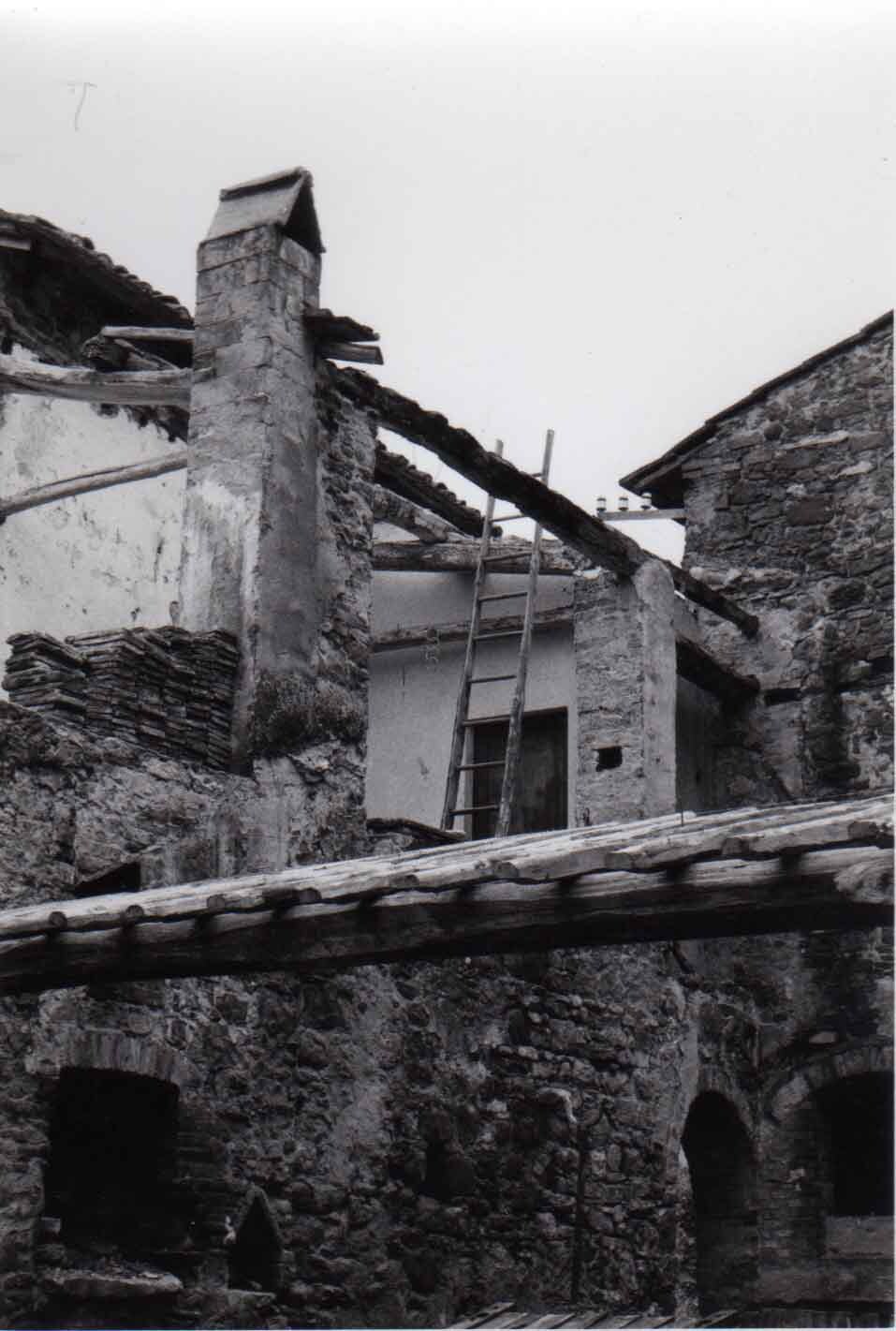
When Rudolf Roslmair began working in Capannole, much of the old settlement was abandoned or in poor condition.
His work started with a recovery plan for the historic fabric of the village: not only individual buildings, but the relationships between houses, passages, different levels, gardens, water and common spaces.
The plan established the framework within which much of the later restoration of the Borgo took place. This is an archive of drawings, plans, photographs and documents showing how the Borgo was read, repaired and gradually made inhabitable again.
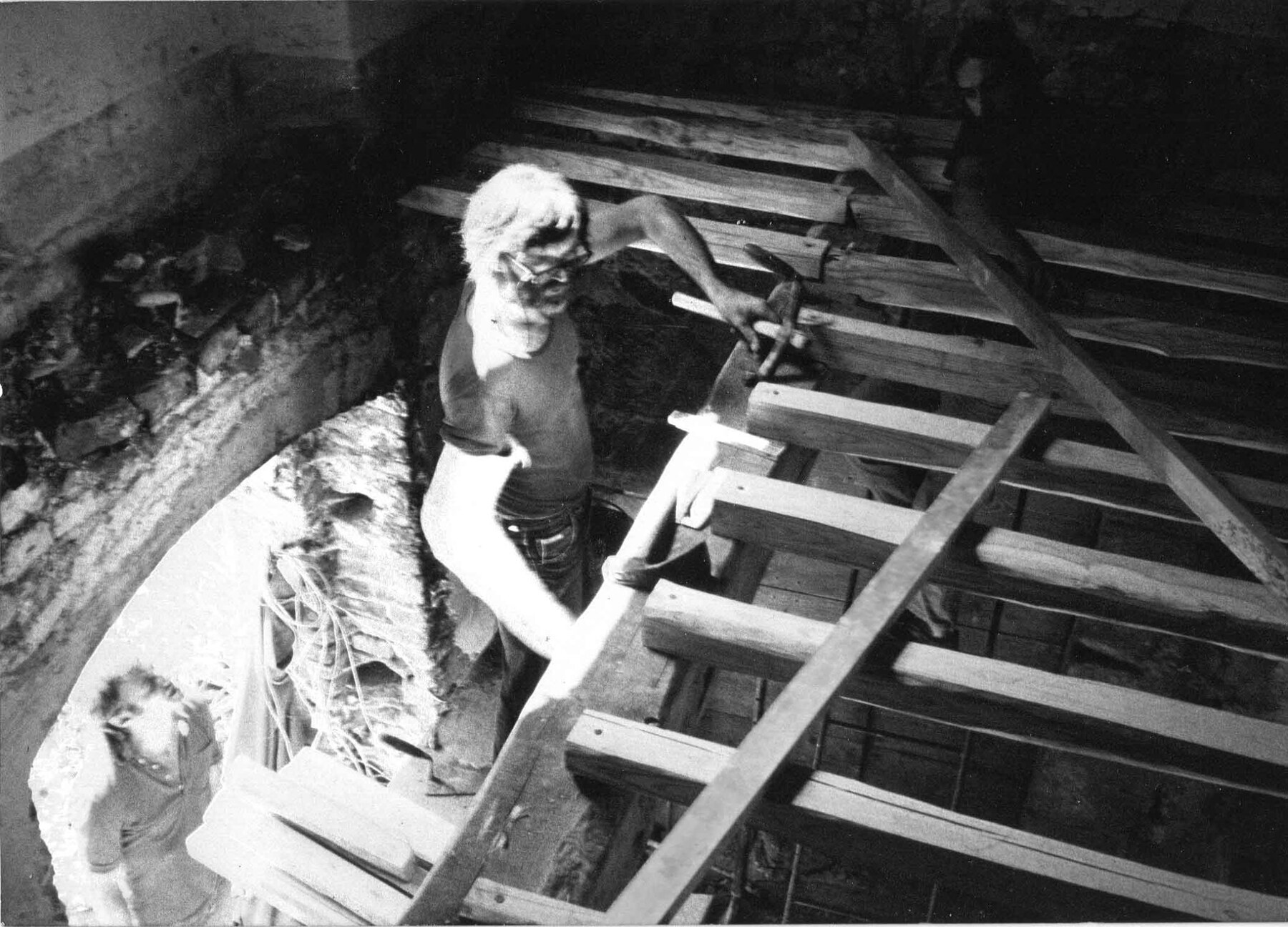
Much of the Borgo was restored by Rudolf Roslmair, but work on the buildings never completely stops.
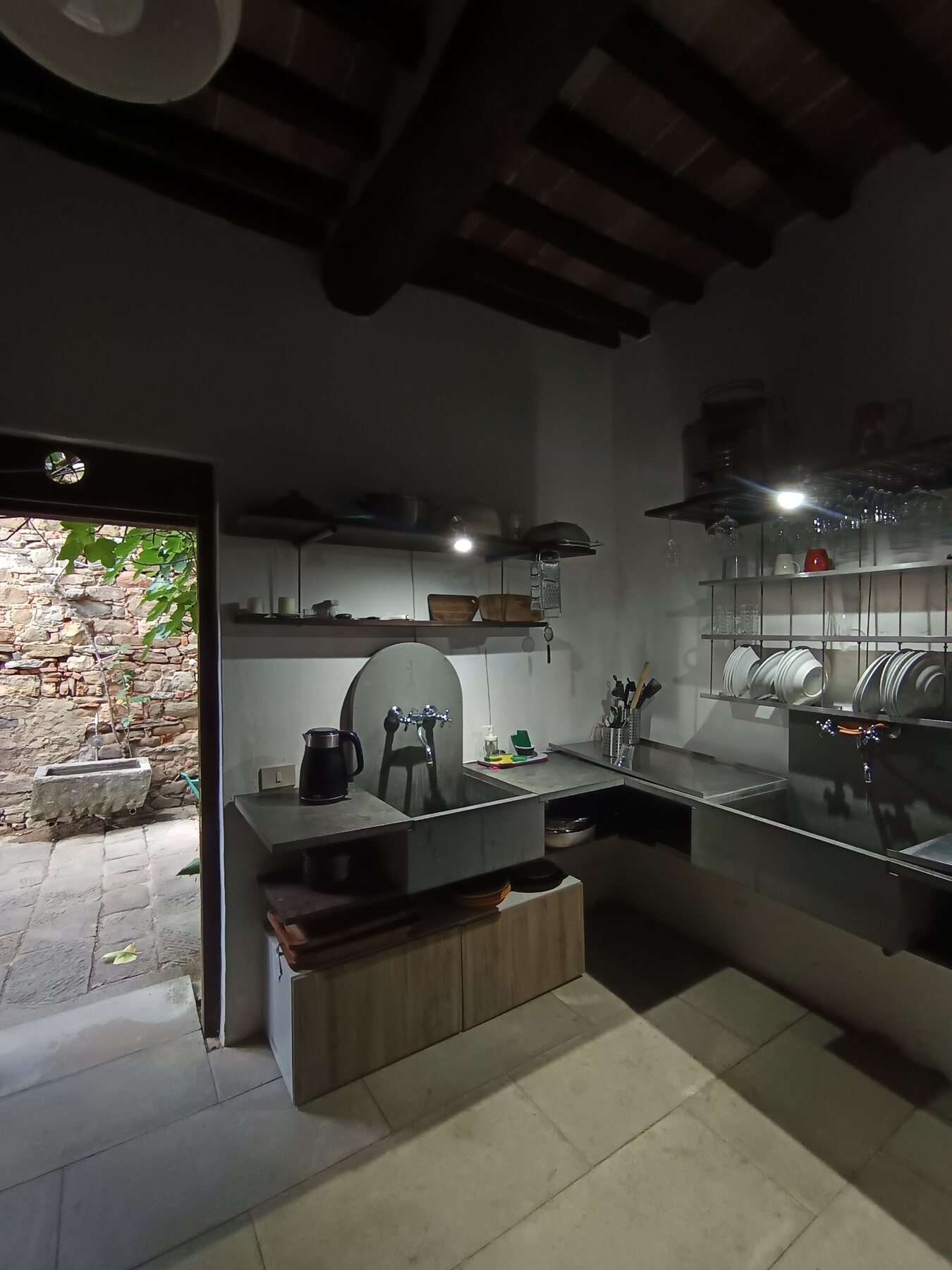
Today it is less a question of restoring the Borgo as a whole than of repairing, adapting and completing individual spaces: a wall, a room, a piece of furniture, a garden, a passage or something that was left unfinished.
Some interventions are necessary maintenance. Others respond to new uses of the place. This section documents that continuing work rather than presenting the Borgo as a completed restoration project.
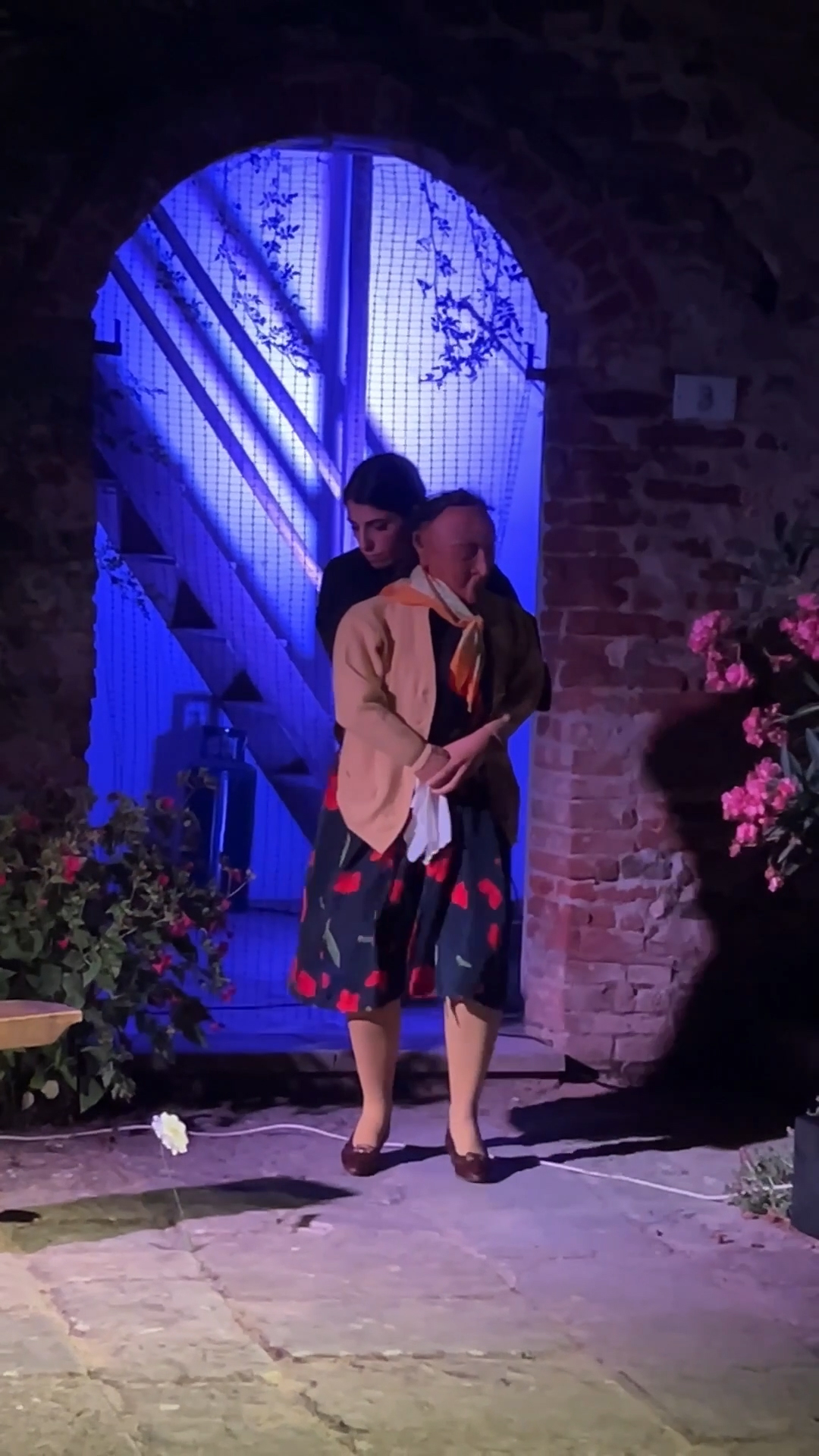
A theatre production developed partly at the Borgo.
IF, by Gaia d'Amico and Nicola Lorusso, came to the Borgo during its development as a place to work on the production outside the theatre.
Stefan Roslmair worked on the project as composer and on audio, lighting and video.
The production subsequently moved into performance, including Teatro del Pavone in Perugia on 19 March 2026, followed by further dates during 2026. This page collects material from rehearsals, technical work and performances.
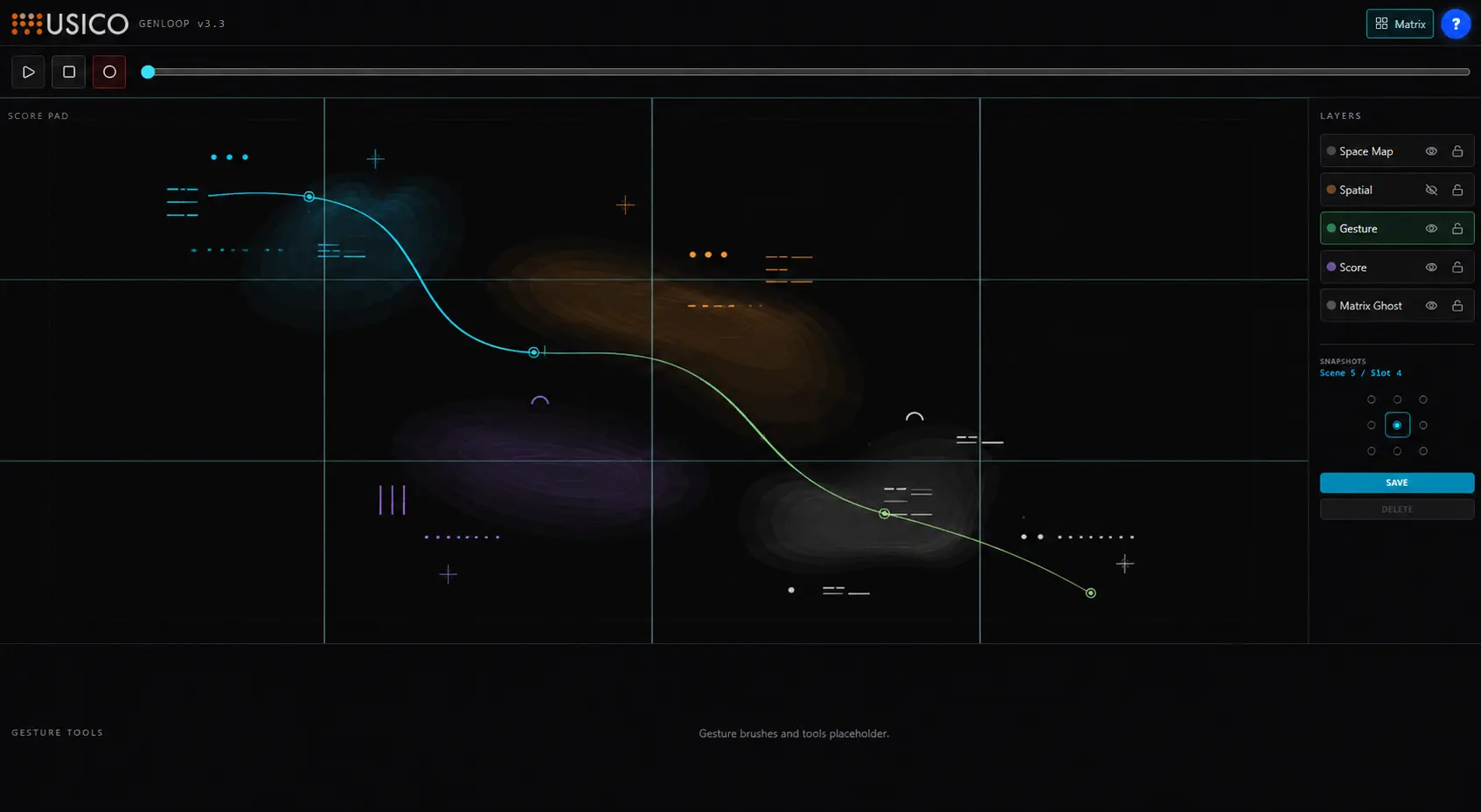
MetaComposer is an experimental interface being developed with Musico / GenLoop. Instead of presenting a score primarily as a sequence running from left to right, musical materials can occupy a spatial field.
Current work focuses on Gestures: a movement across the interface can activate and connect musical material along its path. Navigation, spatial relationships and different ways of controlling time are being developed alongside integration with Ableton Live.
AI agents and generative processes may become additional layers of the system, but they are not its starting point.
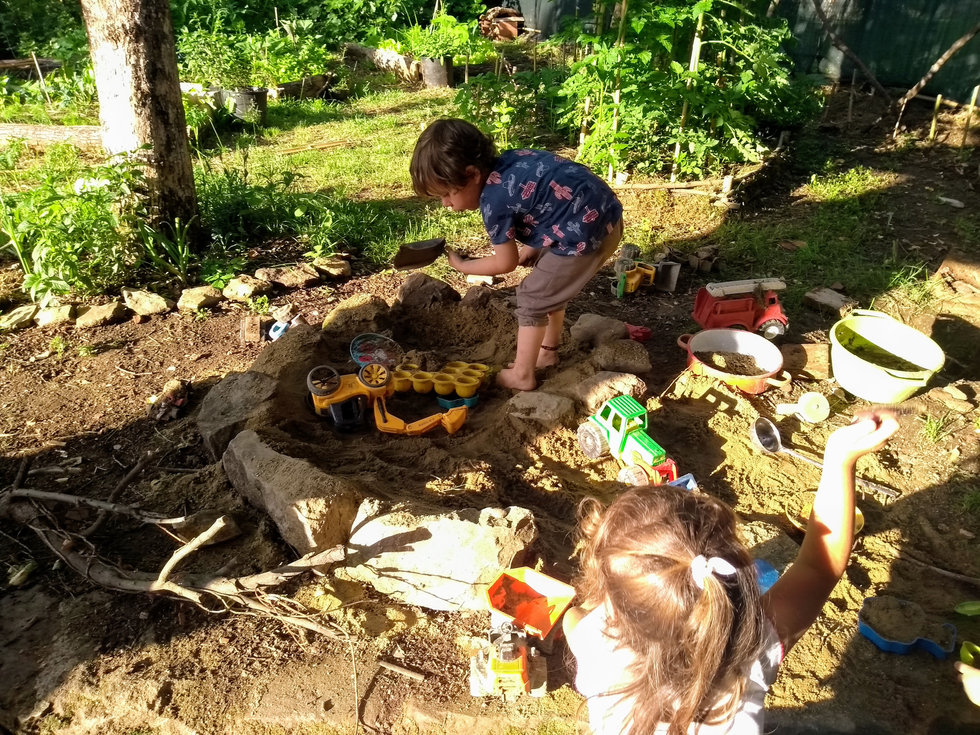
Educational activity at the Borgo has grown through small, practical situations rather than through a fixed programme.
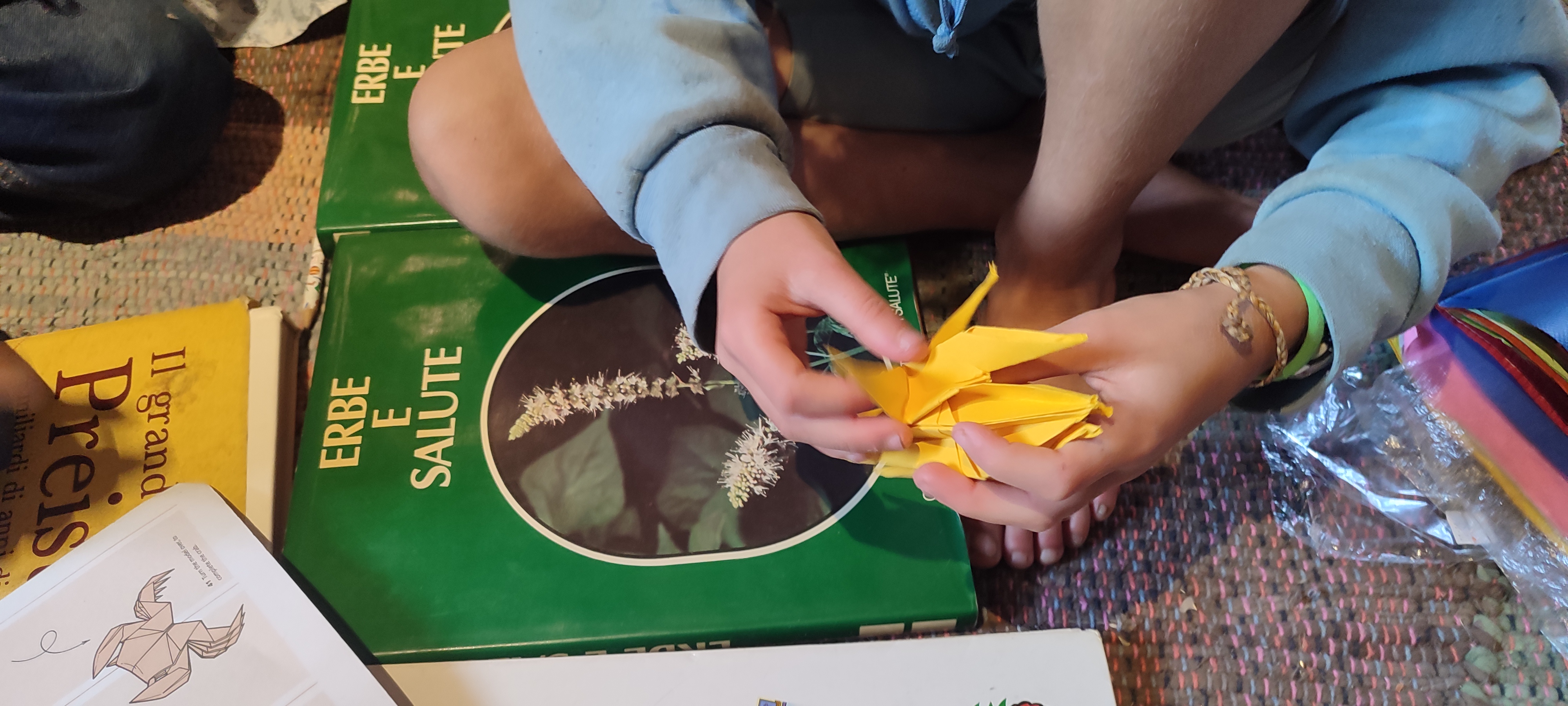
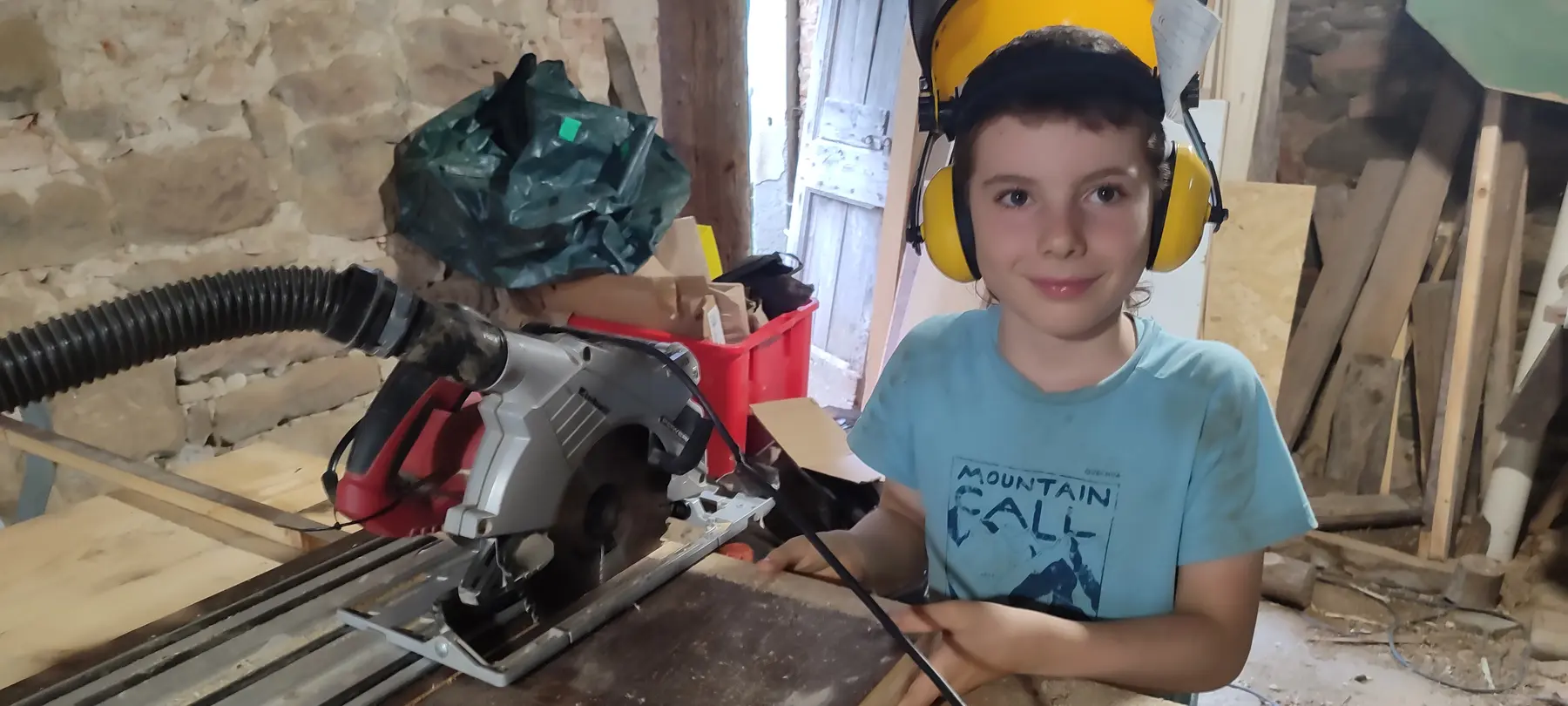
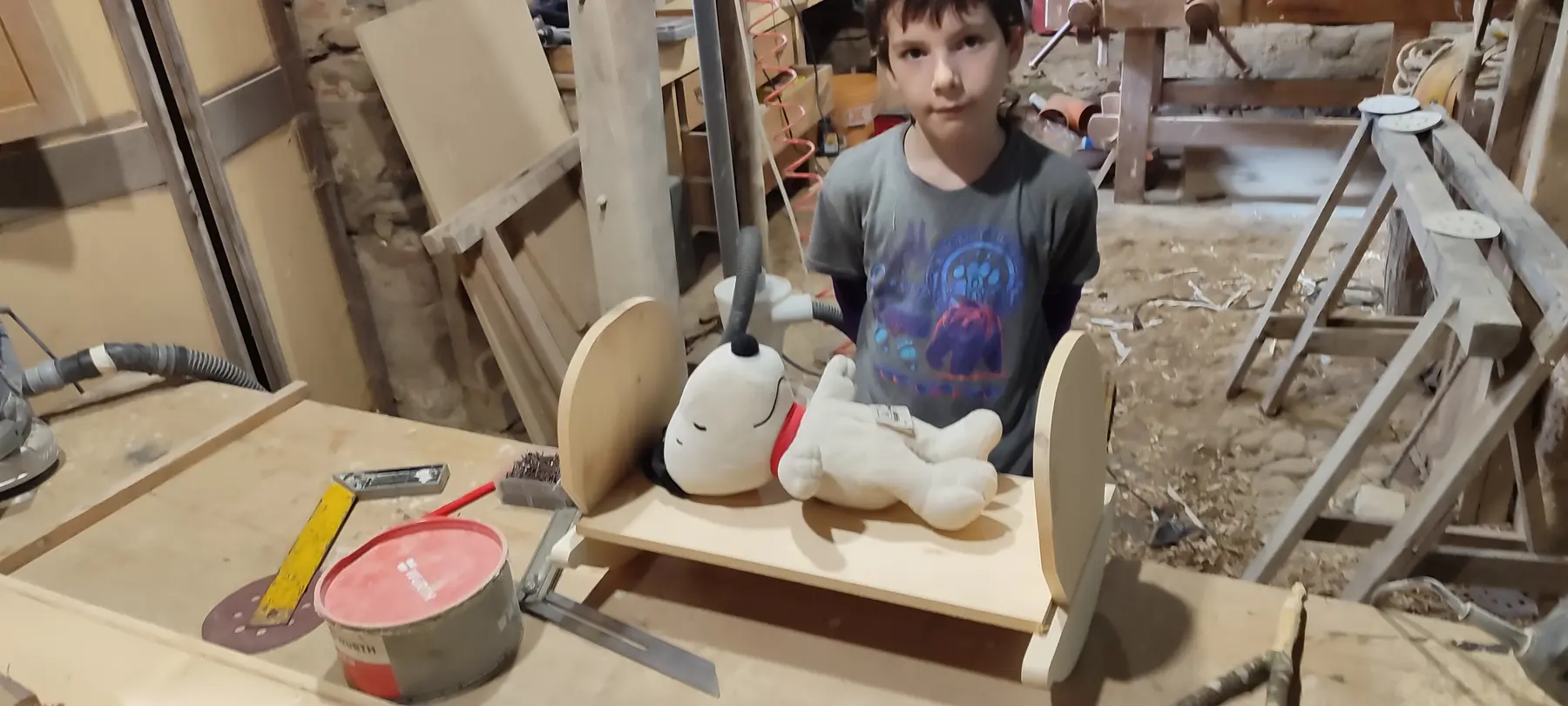
With Partygiano and Semi di Gioia, children have worked and played with music, listening, wood, bamboo, gardens, construction and other real materials.
Santina is gradually being developed as one of the spaces that can support this work.
Local fruit and vegetable boxes sit alongside second-hand objects, handmade things, T-shirts, small editions and whatever else finds its way onto the shelves.
Some things are grown nearby. Some are made here. Some have already belonged to someone else. Others are simply useful, curious or good to take home.
Zanzi-Bar is a small experiment in the anthropology of exchange: what we buy, make, give, trade and reuse — and the conversations that happen around it.
There is no finished sustainability project here. Changes happen gradually, usually beginning with a practical problem: how electricity is produced and stored, how water reaches the garden, what can be repaired instead of replaced, or how food can be grown on a small scale.
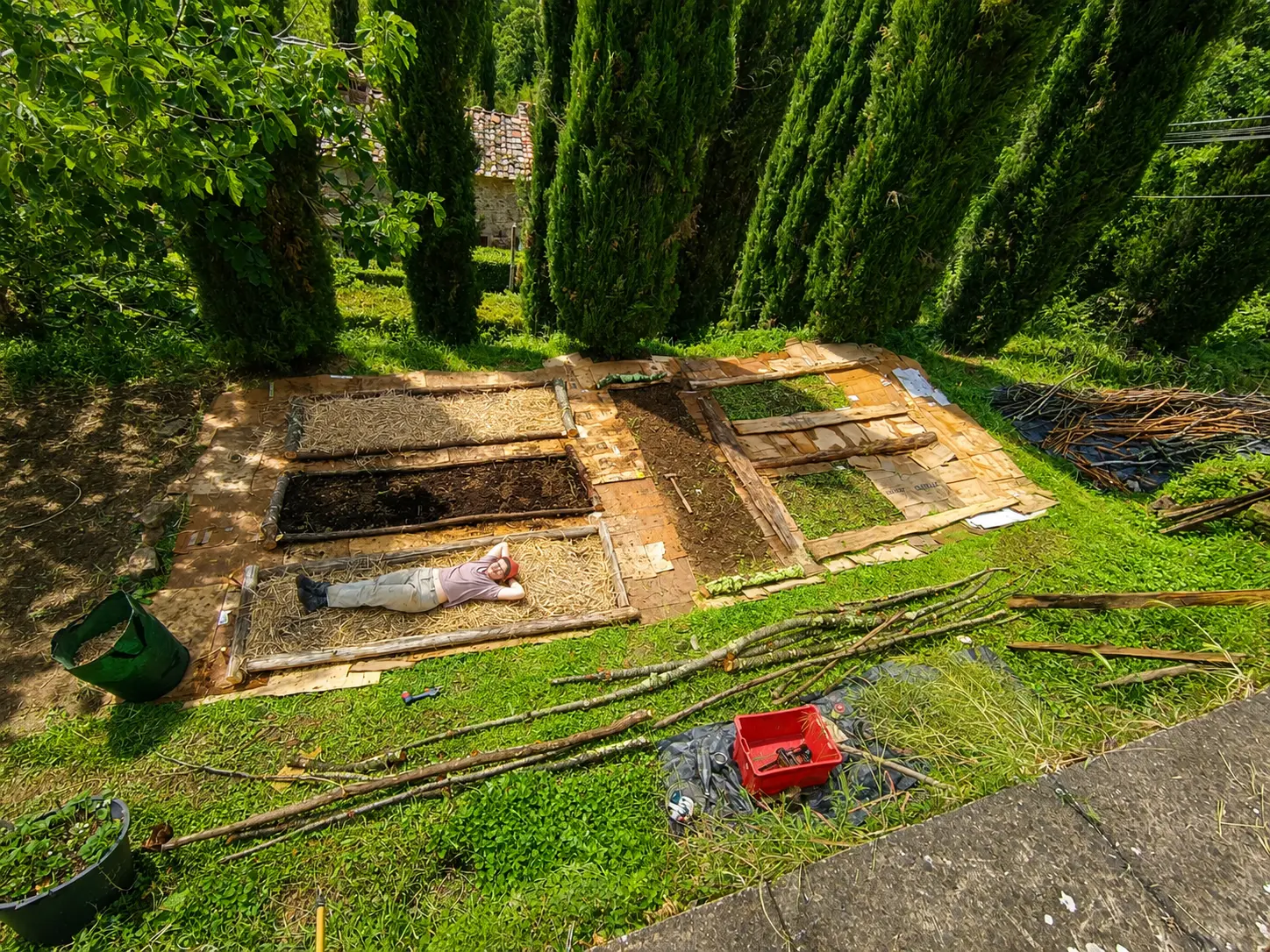
Recent work includes photovoltaic panels and battery storage, improvements to irrigation, vegetable growing, repair and reuse.
Some interventions are technical; others are simply changes in everyday practice. We document them here as they happen.
There are still things here that need to be designed.
We are interested in working with interior designers, visual artists, craftspeople and permaculture designers on specific parts of the Borgo.
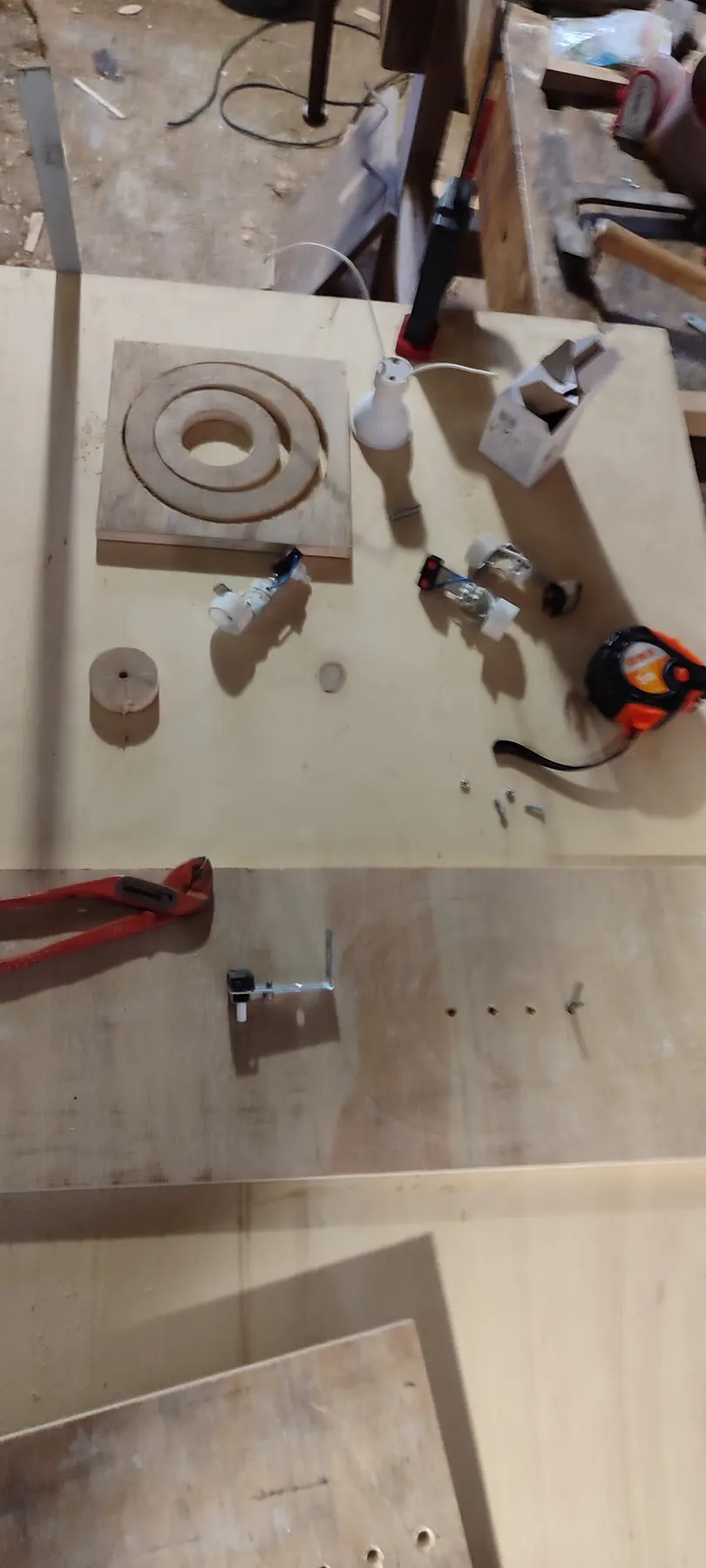
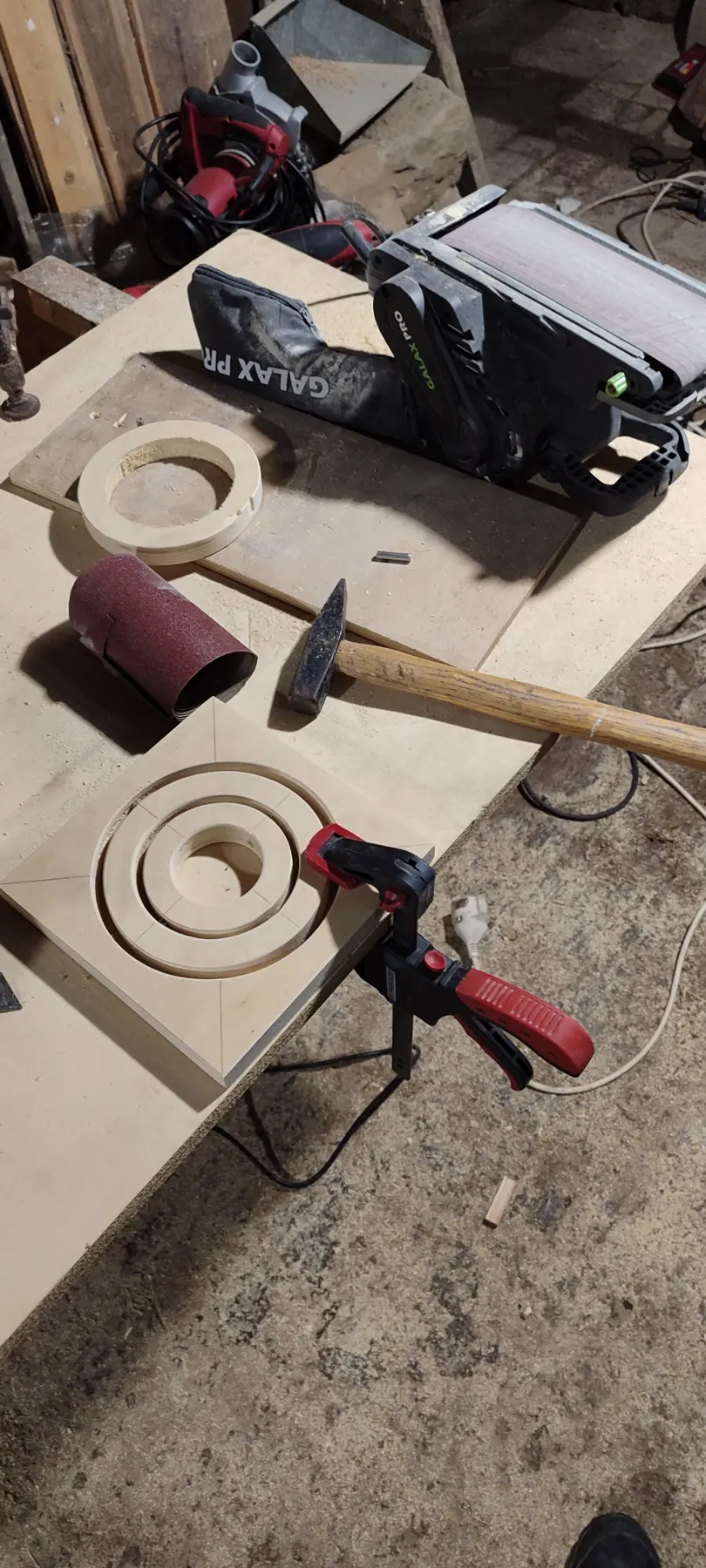
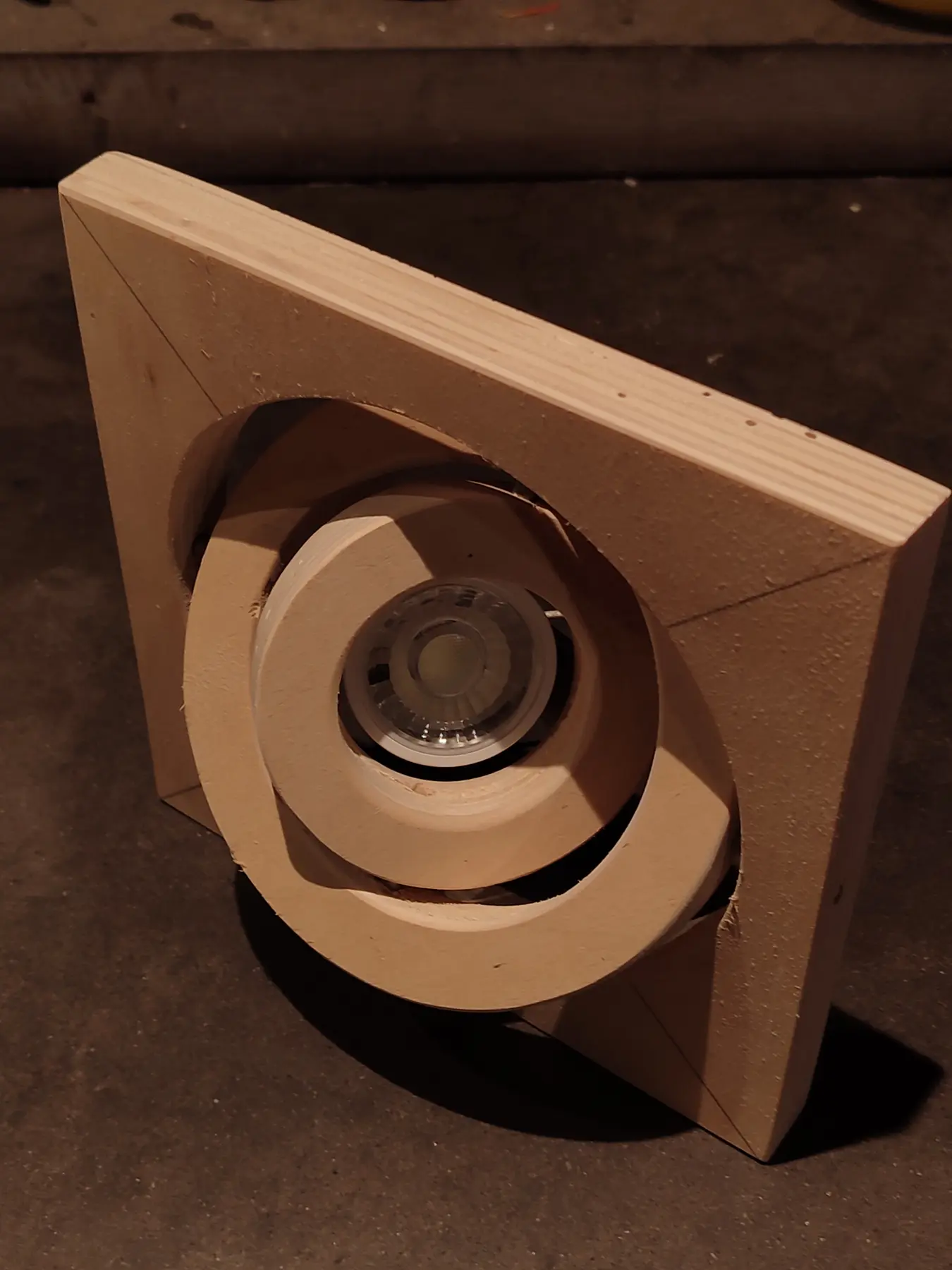
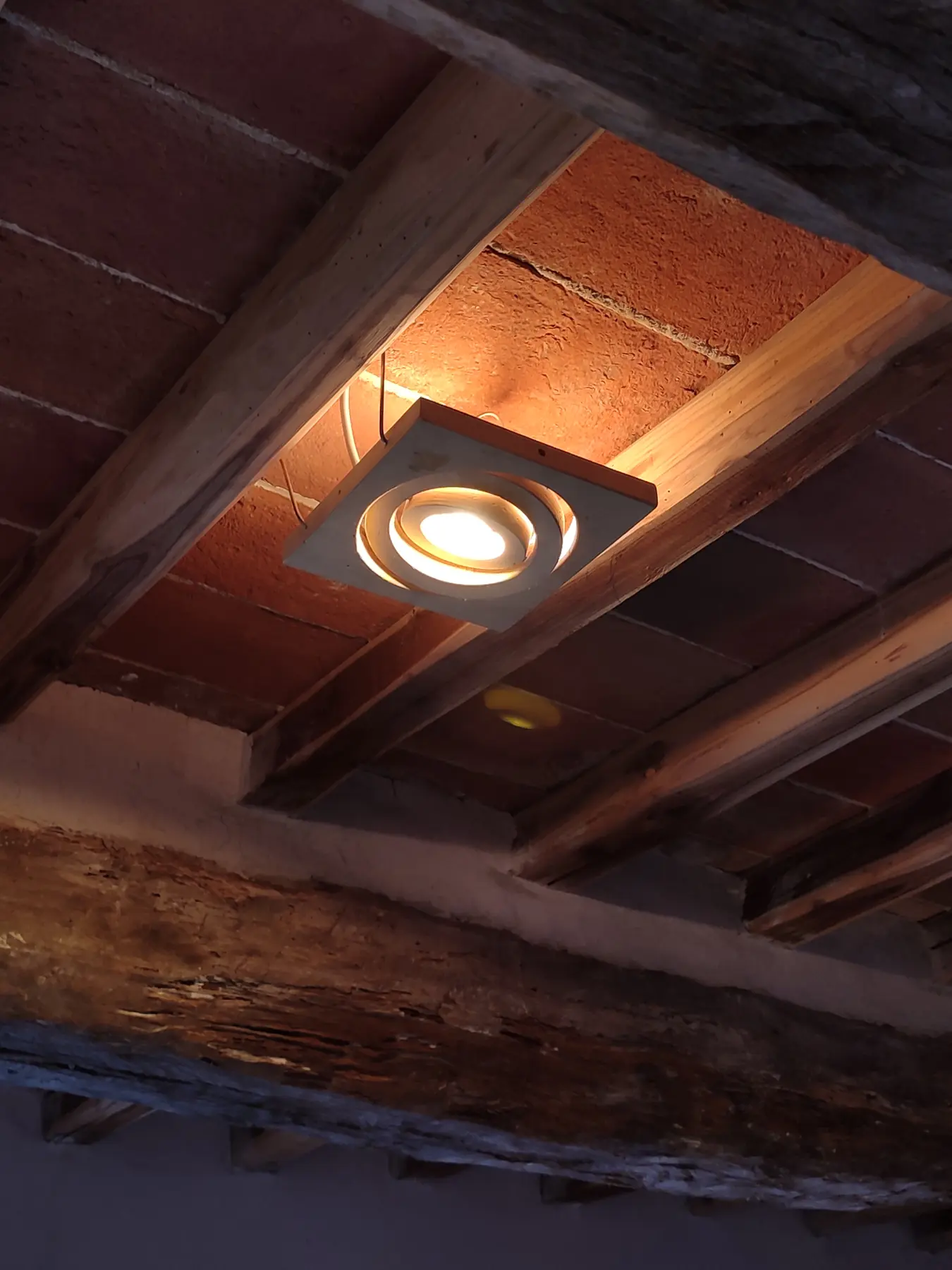
A proposal might concern a piece of furniture, a room, lighting, signage, a garden, an outdoor structure or a prototype for something we actually need. The starting point should be a real situation at the Borgo rather than an exercise imposed on it.
Depending on the project, we can agree an exchange involving accommodation, food, workspace and materials. Have an idea? Send us a proposal.
Come with something you can do — or something you want to learn.
There is always practical work around the Borgo, but volunteering is not a standard accommodation package.
Depending on the period and what is happening here, an exchange might involve gardening, painting, repair, furniture, building, documentation or a skill connected to a particular project.
What makes sense depends on the person, the work and the length of stay. Accommodation, contribution and duration are therefore agreed beforehand.
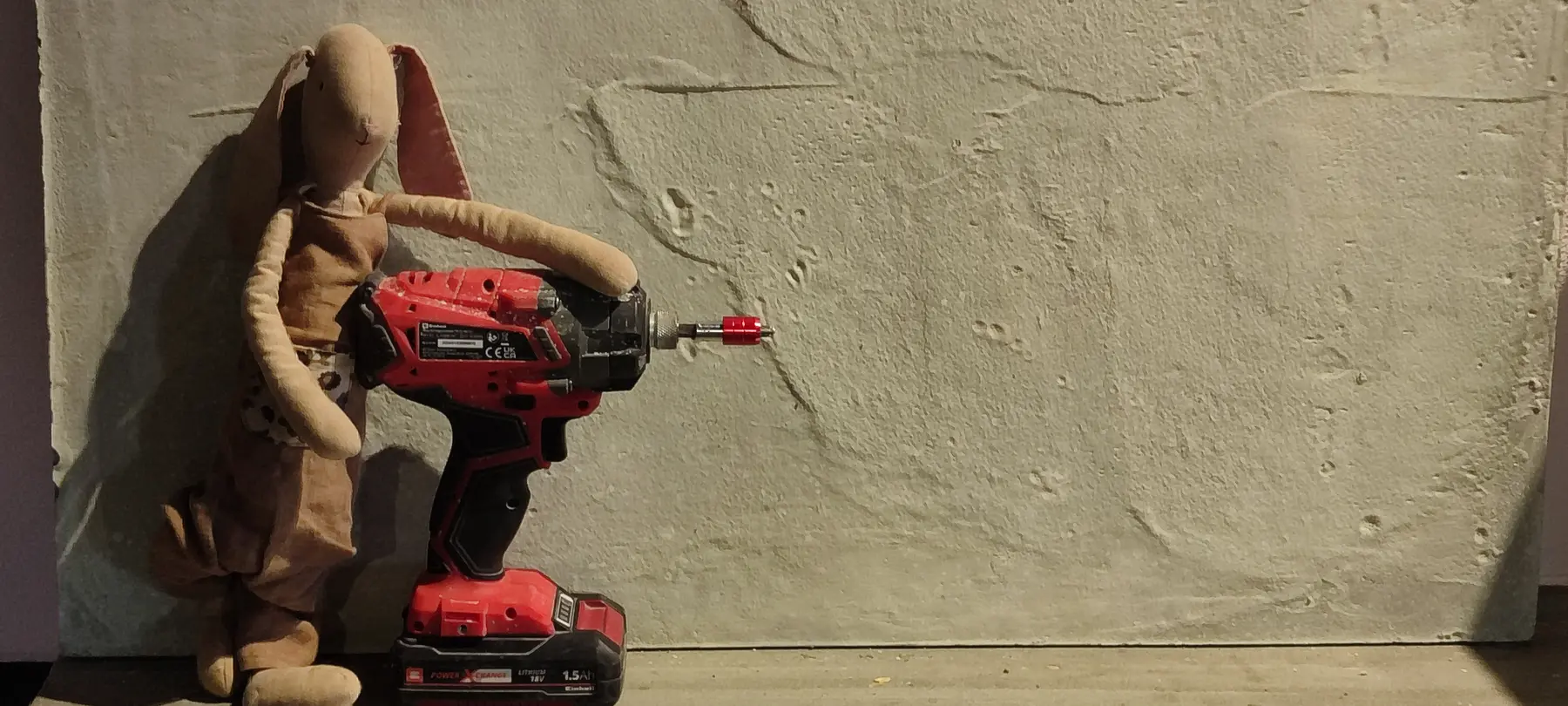
The idea is to develop a small working workshop for wood, repair and basic prototyping: useful first of all for maintaining and developing the Borgo itself. It could also support educational activities, visiting artists and designers, the Design Open Call and projects that need somewhere to move from a drawing to an object.
The project is currently at an early stage. Space, tools and working model still need to be defined.